
Abnormal Uterine Bleeding – How Hysteroscopy Helps
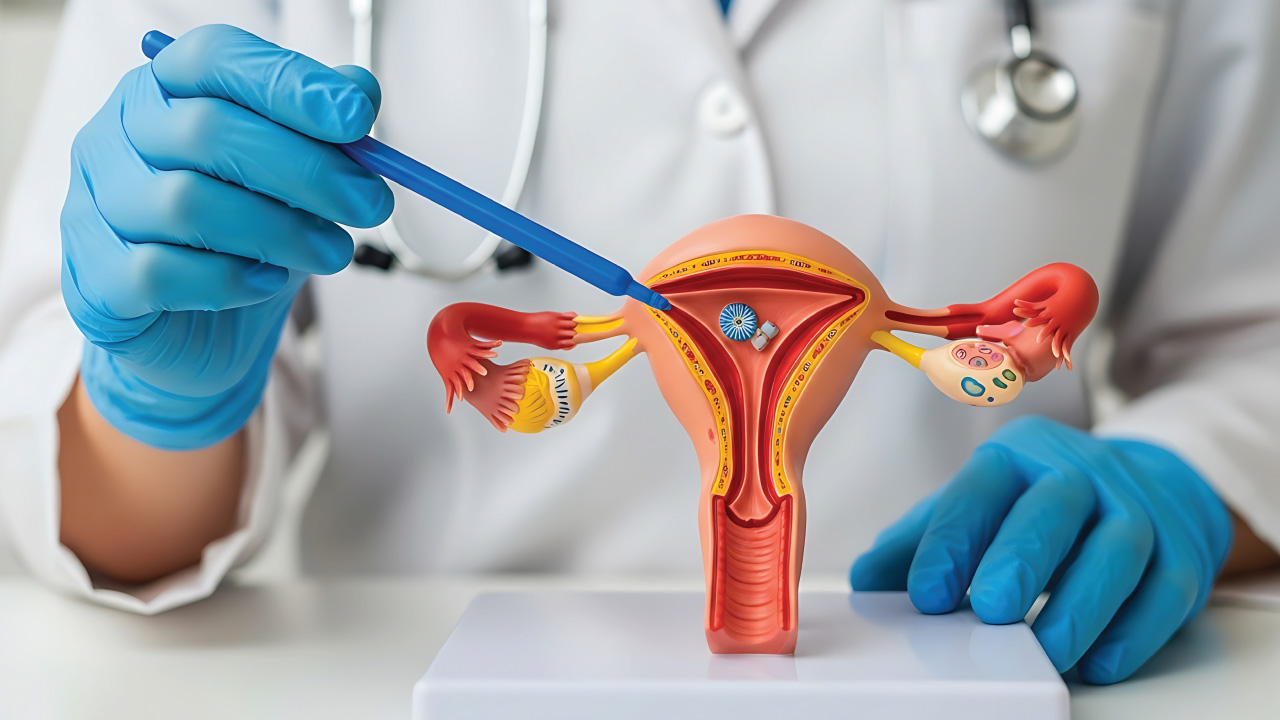
Introduction
Abnormal uterine bleeding (AUB) is a common gynecological concern affecting women of all ages. It refers to irregular, heavy, or prolonged menstrual bleeding that deviates from a woman’s normal cycle. While occasional irregularities may be harmless, persistent or severe bleeding can affect quality of life, cause anemia, and indicate underlying health issues.
Dr. Mansi Gupta emphasizes that timely evaluation is crucial. Among the modern diagnostic tools available, hysteroscopy is one of the most effective methods to identify the cause of abnormal uterine bleeding and provide targeted treatment.
What Causes Abnormal Uterine Bleeding?
AUB can result from several factors, often categorized into structural and non-structural causes:
1. Structural Causes (PALM)
- Polyp: Benign growths in the uterine lining that may cause irregular bleeding
- Adenomyosis: Thickening of the uterine walls leading to heavy bleeding
- Leiomyoma (Fibroids): Non-cancerous tumors affecting the uterus
- Malignancy or Hyperplasia: Pre-cancerous or cancerous changes in the uterine lining
2. Non-Structural Causes (COEIN)
- Coagulopathy: Blood clotting disorders
- Ovulatory Dysfunction: Irregular ovulation affecting menstrual cycles
- Endometrial causes: Inflammatory or hormonal issues
- Iatrogenic: Medications, such as hormonal therapy or anticoagulants
Why Timely Evaluation Matters
Persistent AUB can lead to:
- Severe anemia causing fatigue and weakness
- Reduced fertility in women planning pregnancy
- Undiagnosed malignancy, though rare, which requires early treatment
- Impact on daily life, work, and emotional wellbeing
Early assessment allows for accurate diagnosis, effective treatment, and improved quality of life.
How Hysteroscopy Helps
Hysteroscopy is a minimally invasive procedure that enables doctors to examine the inside of the uterus using a thin, lighted instrument called a hysteroscope. This tool is inserted through the vagina and cervix, allowing direct visualization of the uterine lining without the need for large incisions.
Hysteroscopy serves both diagnostic and therapeutic purposes. Diagnostically, it helps identify causes of abnormal uterine bleeding, such as fibroids, polyps, adhesions, or structural abnormalities. Therapeutically, doctors can often treat these issues during the same procedure, for example, by removing polyps or fibroids, correcting adhesions, or taking targeted biopsies.
The procedure is generally safe, precise, and associated with minimal pain, faster recovery, and shorter hospital stays compared to traditional surgical methods. Hysteroscopy provides a clear view of the uterine cavity, allowing for accurate diagnosis and effective treatment, which can improve menstrual health, fertility, and overall well-being.
Diagnostic Advantages
- Direct visualization of the uterine cavity to detect polyps, fibroids, adhesions, or abnormal tissue
- Allows for precise assessment of abnormal bleeding sources
- Avoids unnecessary surgeries by identifying exact causes
- Therapeutic Benefits
- Polyp removal
- Fibroid resection
- Endometrial ablation to reduce heavy bleeding
- Adhesion removal in cases of Asherman’s syndrome
The procedure is often done as an outpatient or day-care procedure, with minimal discomfort and rapid recovery.
What to Expect During Hysteroscopy
- Preparation: Brief pre-procedure evaluation and anesthesia (local, regional, or general depending on the case)
- Procedure: A thin hysteroscope is inserted through the cervix, and the uterine cavity is inspected
- Treatment: If abnormalities are detected, polyps or fibroids may be removed immediately
- Recovery: Most patients resume normal activities within 24–48 hours
Recovery and Aftercare
- Mild cramping or spotting for a few days is common
- Avoid heavy lifting or strenuous activity for 1–2 days
- Follow-up appointment ensures complete healing and evaluation of results
FAQs About Hysteroscopy for Abnormal Uterine Bleeding
1. Is hysteroscopy painful?
Most patients feel mild discomfort or cramping. Local or light anesthesia helps minimize pain.
2. How long does the procedure take?
Typically 15–30 minutes for diagnostic hysteroscopy; therapeutic procedures may take longer.
3. Can it affect fertility?
Hysteroscopy is fertility-friendly and often used to improve uterine conditions before conception.
4. Are there risks?
Rare risks include infection, bleeding, or injury to the uterus. Serious complications are uncommon when performed by experienced gynecologists like Dr. Mansi Gupta.
5. How soon will I see improvement in bleeding?
Depending on the treatment performed, improvement may be immediate or within the first few cycles.
Conclusion
Abnormal uterine bleeding can significantly affect a woman’s health and wellbeing. Hysteroscopy provides a modern, minimally invasive solution to identify causes accurately and deliver targeted treatment. Early evaluation, accurate diagnosis, and expert care ensure effective management, faster recovery, and improved quality of life.
Dr. Mansi Gupta advises women experiencing heavy, irregular, or prolonged menstrual bleeding to seek consultation promptly. Timely intervention not only relieves symptoms but also prevents complications and improves reproductive health.
If You Are Experiencing Abnormal Uterine Bleeding, Schedule a Consultation With Dr. Mansi Gupta. Modern Hysteroscopy Can Diagnose the Cause, Provide Targeted Treatment, and Help You Regain Control Over Your Health and Wellbeing.