
Egg Freezing: Who Should Consider It?
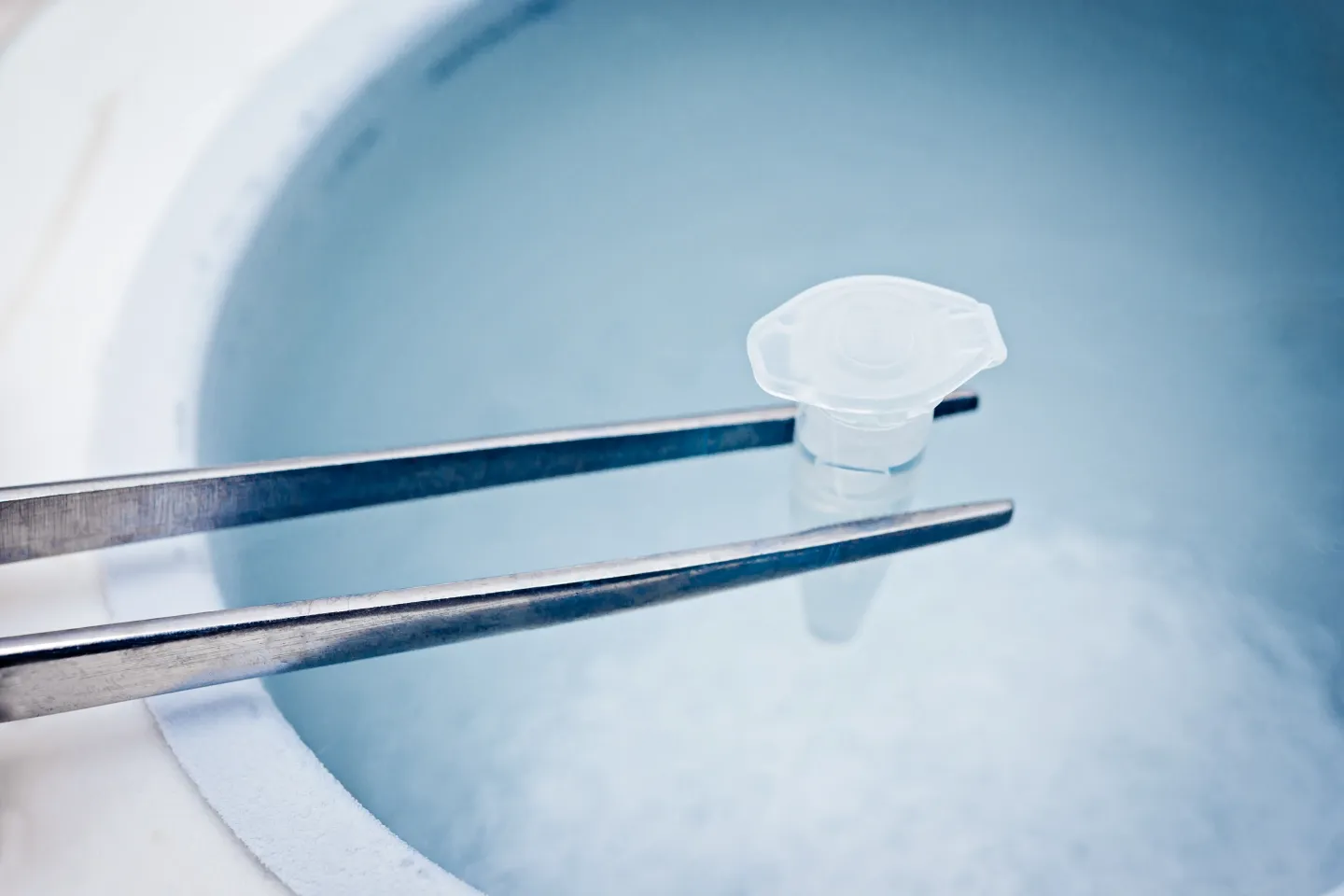
Over the past decade, egg freezing has emerged as an important option for women who wish to preserve their fertility and keep future family-building choices open. Advances in reproductive medicine have made egg freezing more effective and accessible than ever before.
While many women associate fertility with age, fertility potential naturally declines over time. Egg freezing allows women to preserve younger, healthier eggs for future use, providing greater reproductive flexibility.
According to Dr. Mansi Gupta, egg freezing can be a valuable option for women who wish to delay pregnancy for personal, medical, or professional reasons while preserving their chances of having biological children later in life.
What Is Egg Freezing?
Egg freezing, also known as oocyte cryopreservation, is a fertility preservation technique in which a woman's eggs are collected, frozen, and stored for future use.
The eggs remain preserved until the woman decides she is ready to attempt pregnancy. At that time, the eggs can be thawed, fertilized with sperm, and transferred into the uterus through assisted reproductive techniques.
How Does Egg Freezing Work?
The process involves several steps:
Ovarian Stimulation
Fertility medications are used to stimulate the ovaries to produce multiple mature eggs during a single menstrual cycle.
Monitoring
Regular ultrasounds and blood tests help monitor follicle growth and determine the optimal time for egg retrieval.
Egg Retrieval
Once the eggs are mature, they are collected through a minimally invasive procedure performed under sedation.
Freezing And Storage
The retrieved eggs are frozen using advanced vitrification techniques and stored in specialized fertility laboratories until needed.
Who Should Consider Egg Freezing?
Egg freezing is not only for women facing fertility problems. Many women choose it proactively as part of future family planning.
Women Planning To Delay Pregnancy
Some women may wish to focus on:
- Career goals
- Education
- Financial stability
- Personal circumstances
Egg freezing can provide additional reproductive options while fertility is still at its peak.
Women With Medical Conditions
Certain medical treatments can affect fertility.
Women diagnosed with:
- Cancer requiring chemotherapy
- Radiation therapy
- Autoimmune diseases requiring aggressive treatment
may consider egg freezing before treatment begins.
Women With Endometriosis
Moderate to severe endometriosis can affect ovarian reserve over time. Fertility preservation may be considered in selected cases.
Women With A Family History Of Early Menopause
Women whose mothers or sisters experienced early menopause may choose to preserve fertility before ovarian reserve declines significantly.
Women Undergoing Ovarian Surgery
Some ovarian surgeries may reduce the number of healthy eggs remaining in the ovaries. Egg freezing may be discussed before surgery.
What Is The Best Age For Egg Freezing?
Age is one of the most important factors influencing success.
In general:
- Eggs frozen before age 35 tend to have the highest quality.
- Success rates gradually decline with advancing age.
- Egg freezing after age 40 may be less effective due to reduced egg quantity and quality.
Dr. Mansi Gupta often emphasizes that earlier fertility preservation typically provides better long-term reproductive outcomes.
Does Egg Freezing Guarantee Future Pregnancy?
No.
Egg freezing improves future reproductive options but does not guarantee pregnancy.
Several factors influence success, including:
- Age at the time of freezing
- Number of eggs frozen
- Egg quality
- Sperm quality
- Uterine health
- Overall reproductive health
However, freezing eggs at a younger age can significantly improve future pregnancy potential compared to attempting conception later with naturally aging eggs.
How Many Eggs Should Be Frozen?
The ideal number varies depending on age and fertility goals.
Generally, fertility specialists aim to freeze enough eggs to maximize future pregnancy chances. Some women may require more than one stimulation cycle to achieve an adequate number of stored eggs.
Is Egg Freezing Safe?
Egg freezing is considered a safe and well-established procedure.
Most women tolerate ovarian stimulation and egg retrieval well. Temporary side effects may include:
- Bloating
- Mild abdominal discomfort
- Fatigue
- Mood changes
Serious complications are uncommon when treatment is performed by experienced fertility specialists.
How Long Can Frozen Eggs Be Stored?
Frozen eggs can remain stored for many years without significant loss of quality.
Current evidence suggests that properly frozen eggs maintain their potential even after extended periods of storage.
Emotional And Practical Considerations
Egg freezing is both a medical and personal decision.
Women should consider:
- Future family goals
- Financial costs
- Success expectations
- Emotional readiness
Consulting a fertility specialist helps ensure realistic expectations and informed decision-making.
Common Myths About Egg Freezing
Myth: Egg Freezing Is Only For Older Women
In reality, younger women often achieve the best results because egg quality is generally higher.
Myth: Frozen Eggs Are Less Healthy
Research shows that babies born from frozen eggs have outcomes comparable to those born from fresh eggs.
Myth: Egg Freezing Guarantees A Baby
Egg freezing improves future reproductive options but cannot guarantee pregnancy or live birth.
When Should You Speak To A Fertility Specialist?
Consider consulting a fertility specialist if:
- You plan to delay pregnancy for several years
- You have been diagnosed with a condition affecting fertility
- You have a family history of early menopause
- You are considering fertility preservation before medical treatment
Early evaluation provides more options and allows for better planning.
Conclusion
Egg freezing has transformed fertility preservation by giving women greater control over their reproductive future. Whether motivated by personal goals, medical concerns, or future family planning, egg freezing offers an opportunity to preserve fertility while maintaining flexibility about when to pursue pregnancy.
Dr. Mansi Gupta believes that understanding fertility early and exploring available options empowers women to make confident and informed decisions about their reproductive health.
FAQs
Q: What Is Egg Freezing?
A: Egg freezing is a fertility preservation procedure where eggs are collected, frozen, and stored for future use.
Q: What Is The Best Age To Freeze Eggs?
A: The best outcomes are generally achieved when eggs are frozen before age 35.
Q: Does Egg Freezing Guarantee Pregnancy?
A: No. It improves future fertility options but does not guarantee pregnancy.
Q: Is Egg Retrieval Painful?
A: The procedure is usually performed under sedation, and most women experience only mild discomfort afterward.
Q: How Long Can Frozen Eggs Be Stored?
A: Frozen eggs can remain stored safely for many years with proper laboratory preservation techniques.
Thinking about preserving your fertility for the future? Consult Dr. Mansi Gupta for personalized fertility assessment, expert guidance on egg freezing, and comprehensive reproductive care tailored to your goals.