
Role Of AMH In Fertility Assessment
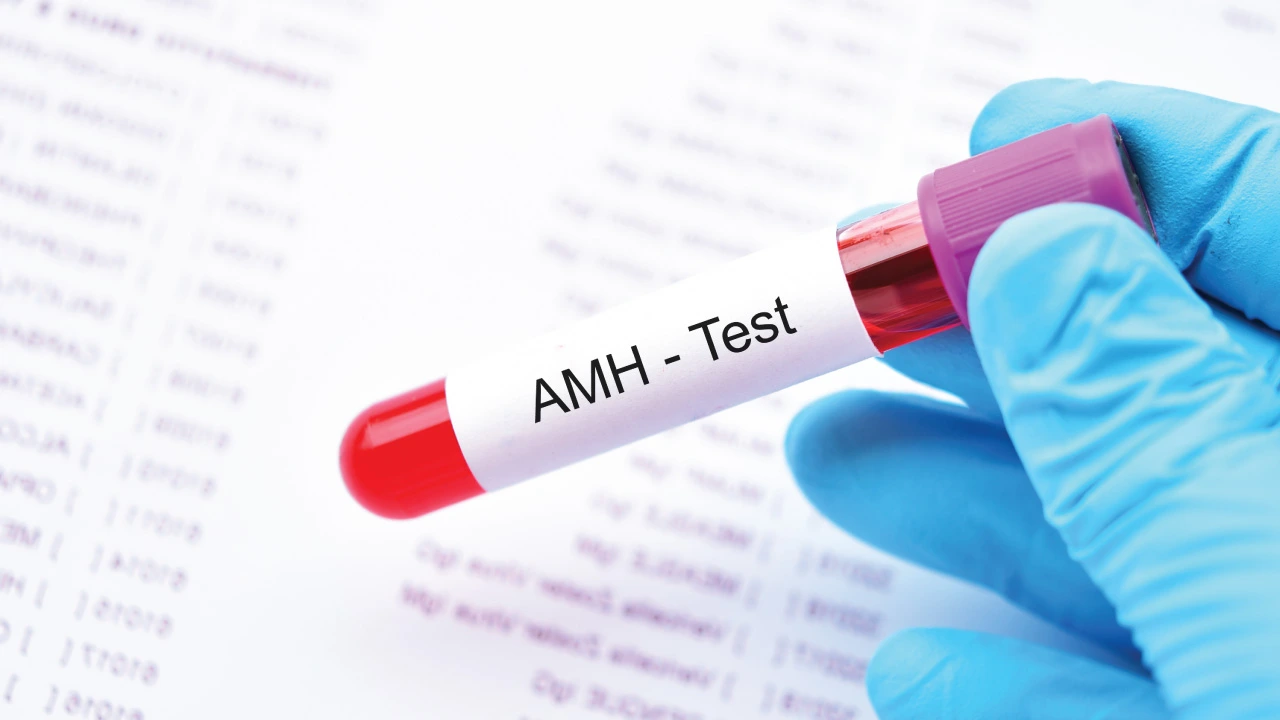
Fertility is an important aspect of a woman’s overall health, and understanding it early can help in better planning for the future. One of the key tools used today in evaluating fertility potential is the Anti-Müllerian Hormone (AMH) test. In this blog, Dr. Mansi Gupta explains the role of AMH in fertility assessment, what the results mean, and how it can guide reproductive decisions.
What Is AMH
Anti-Müllerian Hormone (AMH) is a hormone produced by small follicles in the ovaries. These follicles contain immature eggs, and the level of AMH in the blood reflects the number of eggs a woman has, also known as her ovarian reserve.
According to Dr. Mansi Gupta, AMH is one of the most reliable markers used to estimate ovarian reserve and assess reproductive potential.
Why Is AMH Important In Fertility Assessment
AMH plays a crucial role in helping doctors understand a woman’s fertility status. It is particularly useful because:
- It provides insight into ovarian reserve
- It helps predict response to fertility treatments
- It assists in planning pregnancy timing
- It helps identify conditions like PCOS
Dr. Mansi Gupta emphasizes that while AMH does not predict the exact ability to conceive naturally, it offers valuable information about egg quantity.
How Is The AMH Test Done
The AMH test is a simple blood test that can be done at any time during the menstrual cycle. Unlike other hormone tests, it does not fluctuate significantly throughout the cycle.
Dr. Mansi Gupta recommends this test for women who are planning pregnancy, facing difficulty conceiving, or considering fertility preservation options.
Understanding AMH Levels
AMH levels are measured in nanograms per milliliter (ng/mL), and the values can vary depending on age and individual factors.
High AMH Levels
- May indicate a higher ovarian reserve
- Commonly seen in women with PCOS
- May suggest a strong response to fertility treatments
Normal AMH Levels
- Reflect a healthy ovarian reserve
- Indicate a reasonable number of remaining eggs
Low AMH Levels
- Suggest reduced ovarian reserve
- May indicate declining fertility
- Can be associated with advancing age
Dr. Mansi Gupta advises that AMH results should always be interpreted along with other clinical findings for accurate assessment.
AMH And Age
Age remains one of the most important factors in fertility. While AMH gives an estimate of egg quantity, it does not measure egg quality.
- Younger women with low AMH may still conceive naturally
- Older women with normal AMH may face challenges due to reduced egg quality
Dr. Mansi Gupta highlights that AMH should be seen as part of a broader fertility evaluation, not the sole determinant.
AMH In Fertility Treatments
AMH is widely used in planning assisted reproductive treatments such as IVF.
How AMH Helps In Treatment Planning
- Determines the dosage of fertility medications
- Predicts ovarian response during stimulation
- Reduces the risk of complications like ovarian hyperstimulation
With guidance from Dr. Mansi Gupta, AMH testing helps tailor treatment plans to improve success rates and safety.
AMH And PCOS
Women with Polycystic Ovary Syndrome (PCOS) often have higher AMH levels due to increased number of follicles.
Dr. Mansi Gupta explains that while high AMH may seem beneficial, in PCOS it reflects hormonal imbalance rather than improved fertility.
Limitations Of AMH Testing
While AMH is a valuable tool, it has certain limitations:
- It does not predict natural conception accurately
- It does not assess egg quality
- It cannot determine the exact time to menopause
- Results may vary between laboratories
Dr. Mansi Gupta emphasizes that AMH should be used alongside ultrasound scans and other hormone tests for a complete picture.
Who Should Consider AMH Testing
AMH testing may be recommended for:
- Women planning delayed pregnancy
- Couples facing infertility
- Women with irregular menstrual cycles
- Those considering egg freezing
- Women with a family history of early menopause
Consulting Dr. Mansi Gupta can help determine whether this test is appropriate based on individual health goals.
How To Improve Fertility Alongside AMH Awareness
While AMH levels cannot be significantly increased, overall fertility can be supported through healthy lifestyle choices:
- Maintain a healthy weight
- Eat a balanced diet
- Avoid smoking and excessive alcohol
- Manage stress effectively
- Seek timely medical advice
Dr. Mansi Gupta encourages proactive fertility planning and early evaluation for better outcomes.
FAQs
Q: Can AMH levels predict pregnancy success?
A: No, AMH indicates egg quantity but does not guarantee pregnancy success.
Q: Is AMH testing necessary for all women?
A: Not always. It is recommended based on individual fertility concerns.
Q: Can AMH levels change over time?
A: Yes, AMH levels naturally decline with age.
Q: Is low AMH equal to infertility?
A: No, women with low AMH can still conceive naturally.
Q: When is the best time to take an AMH test?
A: It can be done at any time during the menstrual cycle.
Schedule Your Appointment
The AMH test has become an essential part of modern fertility assessment. It provides valuable insights into ovarian reserve and helps guide both natural conception planning and assisted treatments.
However, as Dr. Mansi Gupta explains, AMH is just one piece of the puzzle. A comprehensive approach that includes age, medical history, and additional tests is necessary for accurate fertility evaluation.
If you are planning a pregnancy or have concerns about fertility, consulting an expert like Dr. Mansi Gupta can help you make informed and confident decisions.